QA Testing Services for SaaS Startups: How Vervali Works
How Vervali tests a SaaS startup's product: what to test first, when to outsource, manual or automation, the monthly cost at published rates, and how the free pilot…
Containerised, event-driven applications built for scale and load tested by the same team before release. We design microservices and serverless systems on AWS and Azure, with CI/CD and observability built in from the first sprint.


ISO/IEC 17025:2017Accredited testing laboratory

CMMI Maturity Level 3The process is written down and repeats

ISO 9001:2015Quality management

ISO/IEC 27001Information security
Applications designed for the cloud from the first line of code, and proven under load before launch.
Services that ship in containers, scale on their own and fail without taking the rest of the system down. Built on Docker and Kubernetes, with multi-region deployment where uptime demands it.
Serverless functions, queues and event streams that absorb traffic spikes, cut idle infrastructure cost and let teams ship features without waiting on servers.
The team that builds it load tests it, so the scale questions a large customer asks are answered with results before go-live, not promises after it.
Cloud native is proven under load, not on an architecture slide.
Free Environment ReviewThe four things that hold growing products back, and what replaces each one.
Monoliths re-architected into microservices, moved through cloud migration and modernisation.
Outages and broken rollouts replaced by CI/CD pipelines and resilient infrastructure with rollback.
Auto-scaling containers and event-driven design that hold steady when demand jumps.
Architectures designed for GDPR, HIPAA and ISO/IEC 27001 controls from the start.
The operating basics are part of the build, not a later project.
Build, test and deploy on every change, set up with DevOps consulting and CI/CD.
Kubernetes, Helm and auto-scaling tuned to real load for high availability.
Logs, metrics and traces with alerts routed to an owner, so issues surface early.
Identity, secrets and network rules set in code, then checked by cloud security testing.
Regulated, high-volume systems, built and load tested by the same team.
Two private-sector banks · Lending platforms
Loan processing and agent onboarding rebuilt for two leading private-sector banks, with the compliance each engagement required. Platforms like these scale through tested services and controlled releases, not heroics.
60% faster loan processing50% less agent onboarding timeThe back end for a Chennai diagnostics chain, built to carry the integrations and load that real patient volume produces.
A cybersecurity SaaS product tested under DDoS simulation, so the team knew how it fails and recovers before its customers did.
One environment reviewed, one service live, then scale with evidence.
A free review of one environment: what runs today, where it strains and what it costs.
Services, data and platform choices written down. Wider strategy runs through cloud consulting and strategy.
One service built, deployed through the pipeline and load tested, so the pattern is proven.
Extend to more services, train your team, or hand day two to managed cloud services.
Engineers who build and test the same system, so scale is shown, not claimed.
An ISO/IEC 17025 accredited lab with CMMI Level 3 process, so load, regression and security checks are planned and repeatable.
We build on AWS and Azure, and take on the wider product, including multi-tenant SaaS, through cloud application development.
Working hours overlap 9am to 1pm Eastern with delivery from India, and the team scales with your roadmap.

OUR BLOGS

How Vervali tests a SaaS startup's product: what to test first, when to outsource, manual or automation, the monthly cost at published rates, and how the free pilot…
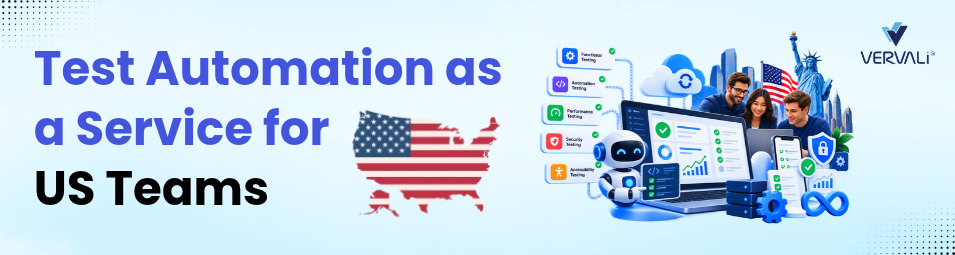
Vervali offers test automation as a service: framework, suite, CI integration and maintenance on a monthly allocation, from India with a 9am to 1pm Eastern overlap.
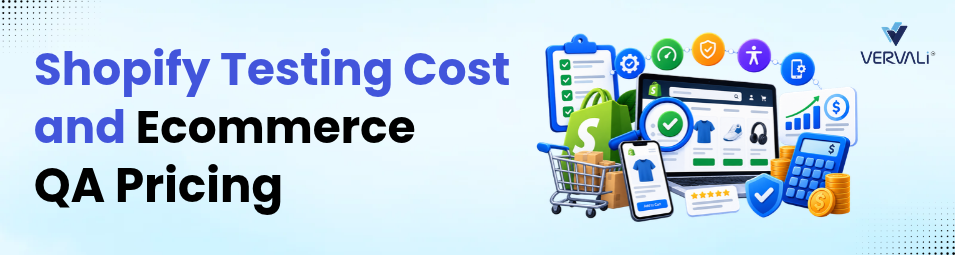
Vervali publishes what Shopify and ecommerce testing costs: hourly rates by role, monthly billing for a dedicated tester or retainer, a fixed price for a pre-peak lo…
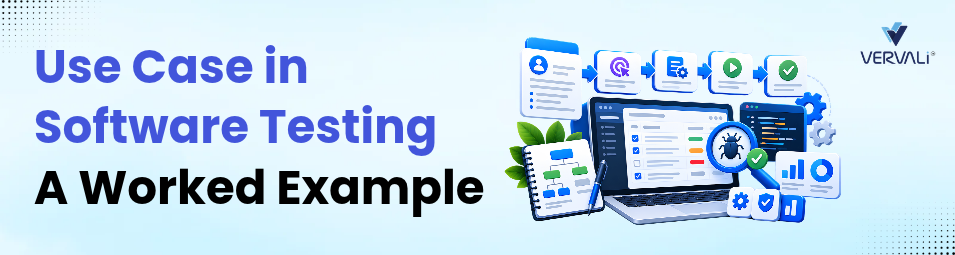
Every path through a use case becomes at least one test case. A worked bank-transfer example shows the test table, and ISTQB's 2023 and 2025 syllabus changes explain…
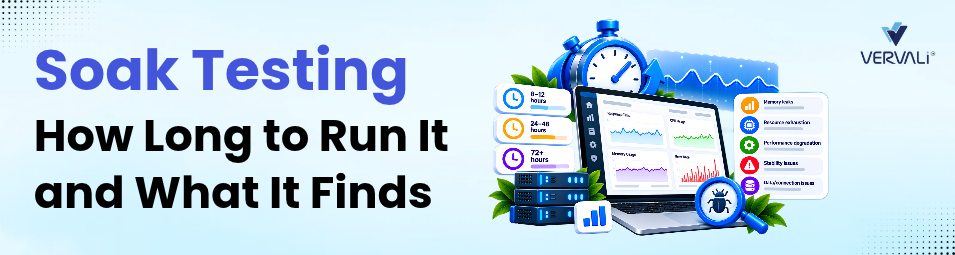
What a soak test is, how it differs from load, stress and spike tests, how long to run it, the metrics that decide a pass, and how JMeter, k6 and Gatling hold a load…
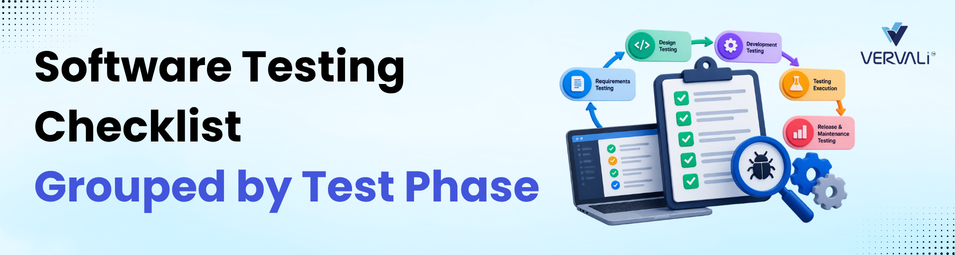
This software testing checklist groups every item by the phase of the test process it belongs to, marks the items teams routinely skip, and shows how to wire the lis…
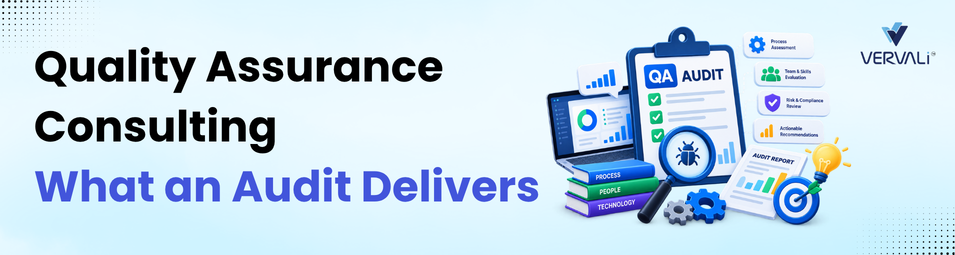
This guide explains what a QA maturity assessment scores you against, what the deliverable looks like on the last day, and when advisory work is the wrong purchase.
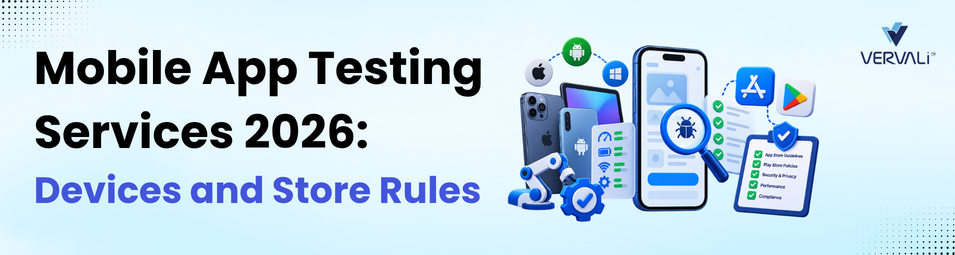
This guide explains what mobile app testing services cover, how to size a device matrix from United States traffic data, and what Apple and Google check before a rel…

Our Expertise


Trusted by 150+ Leading Brands

A Strong Team of 275+ QA and Dev Professionals

Worked across 450+ Successful Projects
 Email Us
 Call Us
From flawless code to flawless quality - we design, develop, and test digital solutions that deliver real results.